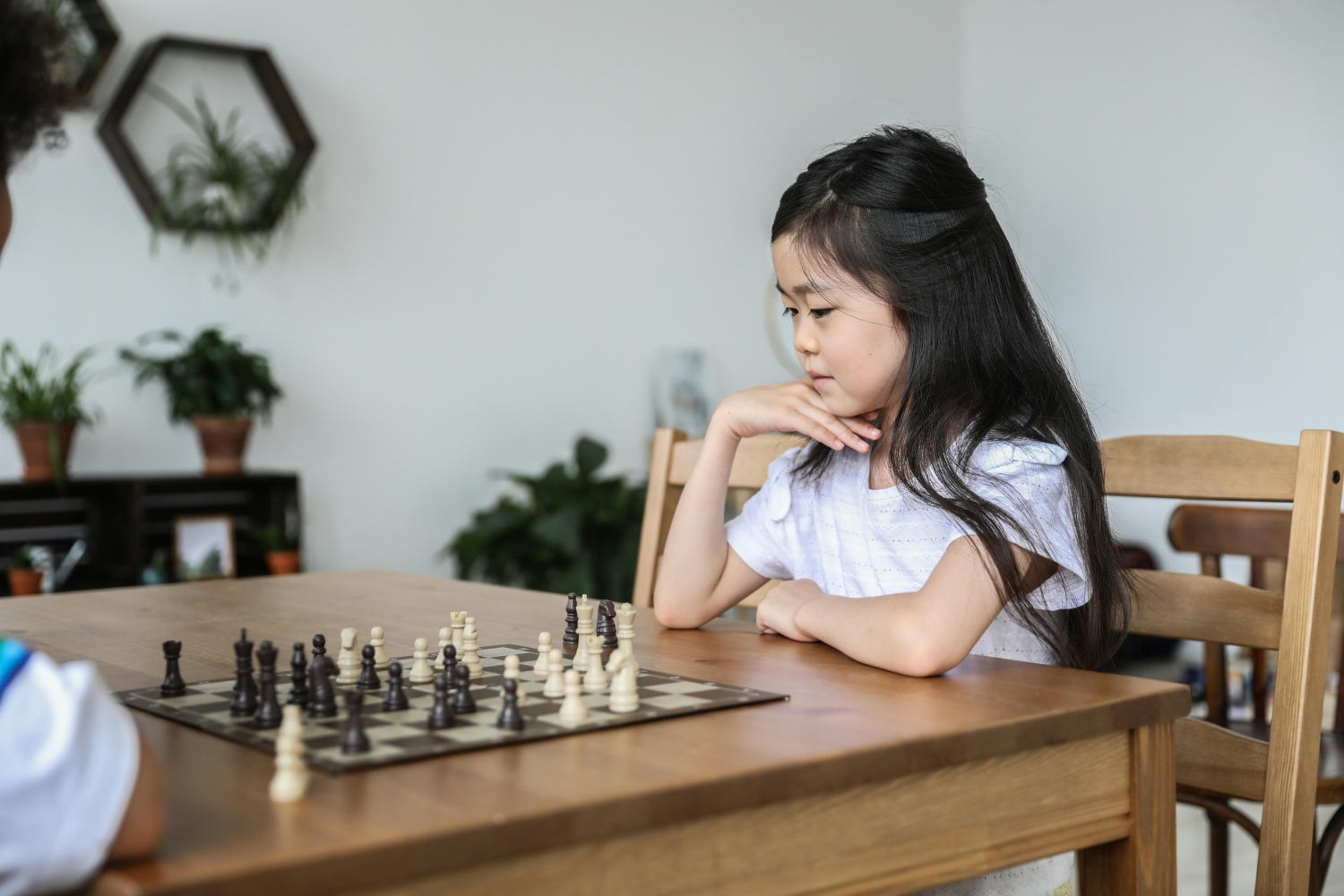
In Singapore’s fast-paced education landscape, academic performance often takes centre stage. But beneath the race for grades lies something just as important—independent thinking. The ability to make decisions, ask questions, and solve problems without relying on constant guidance is a life skill that serves children far beyond the classroom.
This is where after-school education, when thoughtfully structured, can play a transformative role. It’s not just about revision and homework—it’s about creating a space where students learn how to think, not what to think. In this article, we’ll explore how after school education can nurture independent thinking.
Encouraging Curiosity Through Open-Ended Exploration
Traditional school lessons are often tightly scheduled and focused on covering content. After school programmes, however, have the flexibility to encourage deeper thinking. When children are asked open-ended questions—”Why do you think this worked?” or “How else could we solve this?”—they begin to explore multiple solutions, weigh outcomes, and develop reasoning skills. At MindSpace, our educators encourage your children to think beyond surface-level answers. This approach sparks curiosity and builds confidence in their own judgment.
Building Learning Autonomy
Independent thinking doesn’t happen without opportunities for children to take charge of their own learning. After school education gives students the time and tools to review concepts, set personal learning goals, and decide how to manage their time effectively.
By providing more space and autonomy, MindSpace encourages students to take ownership of their academic progress. They learn to reflect on what they’ve grasped and identify areas where they need support—a foundational skill that nurtures lifelong learners.
Strengthening Connections
Instead of passive repetition, effective after school programmes promote active recall and structured reflection. When students are guided to revisit topics through questions, discussions, and peer interaction, they deepen their understanding and develop clarity around complex ideas.
Through the Optimal Flow Method™, our MindSpace educators don’t just review answers—they prompt students to explain their reasoning, rework problems in new ways, and connect learning across subjects. This deepens both comprehension and independent thought.
Creating a Safe Environment to Think Differently
Independent thinking thrives in environments where it’s safe to make mistakes. After school programmes should be spaces where children feel supported enough to share unconventional ideas or take intellectual risks.
MindSpace educators foster a growth mindset culture—where effort is celebrated, mistakes are seen as part of learning, and every child feels heard. This supportive framework makes it easier for students to express themselves and develop their unique voice.
In Conclusion
After school education, when done right, doesn’t just reinforce schoolwork, it broadens the way children think, question, and grow. It gives them the space to pause, reflect, and build the kind of intellectual independence that lasts a lifetime.
Curious about how MindSpace can support your child’s journey toward independent learning? Book a tour today and discover how our nurturing environment helps students grow into confident, self-directed thinkers, ready for whatever the future holds.